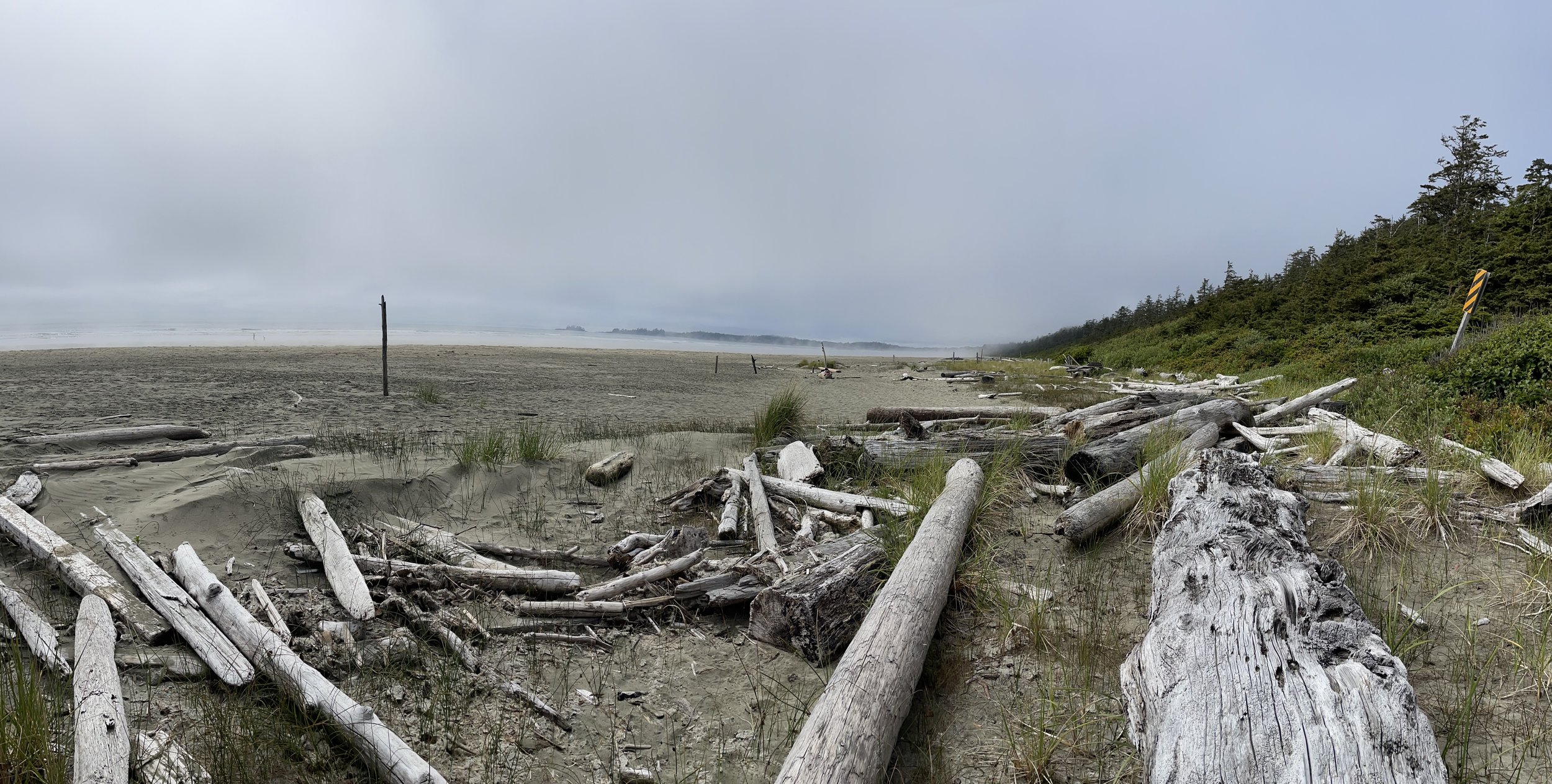
Pacific Series
A limited series of violins shaped by the materials, colours, and atmosphere of the British Columbia coast.
Here, creativity meets opportunity. Whatever you're The Pacific Series is a limited release of five violins built around the materials, colours, and atmosphere of the British Columbia coast. Each instrument belongs to a unified body of work shaped by regional wood choices, coastal-inspired varnish, and a shared tonal and visual philosophy, offering players and collectors a series defined by place, coherence, and rarity. We're here to help you take the first step with confidence. Let’s create something meaningful together.
Inspiration Form Materials Tone Varnish Provenance Authentication Violins Availability
Inspiration
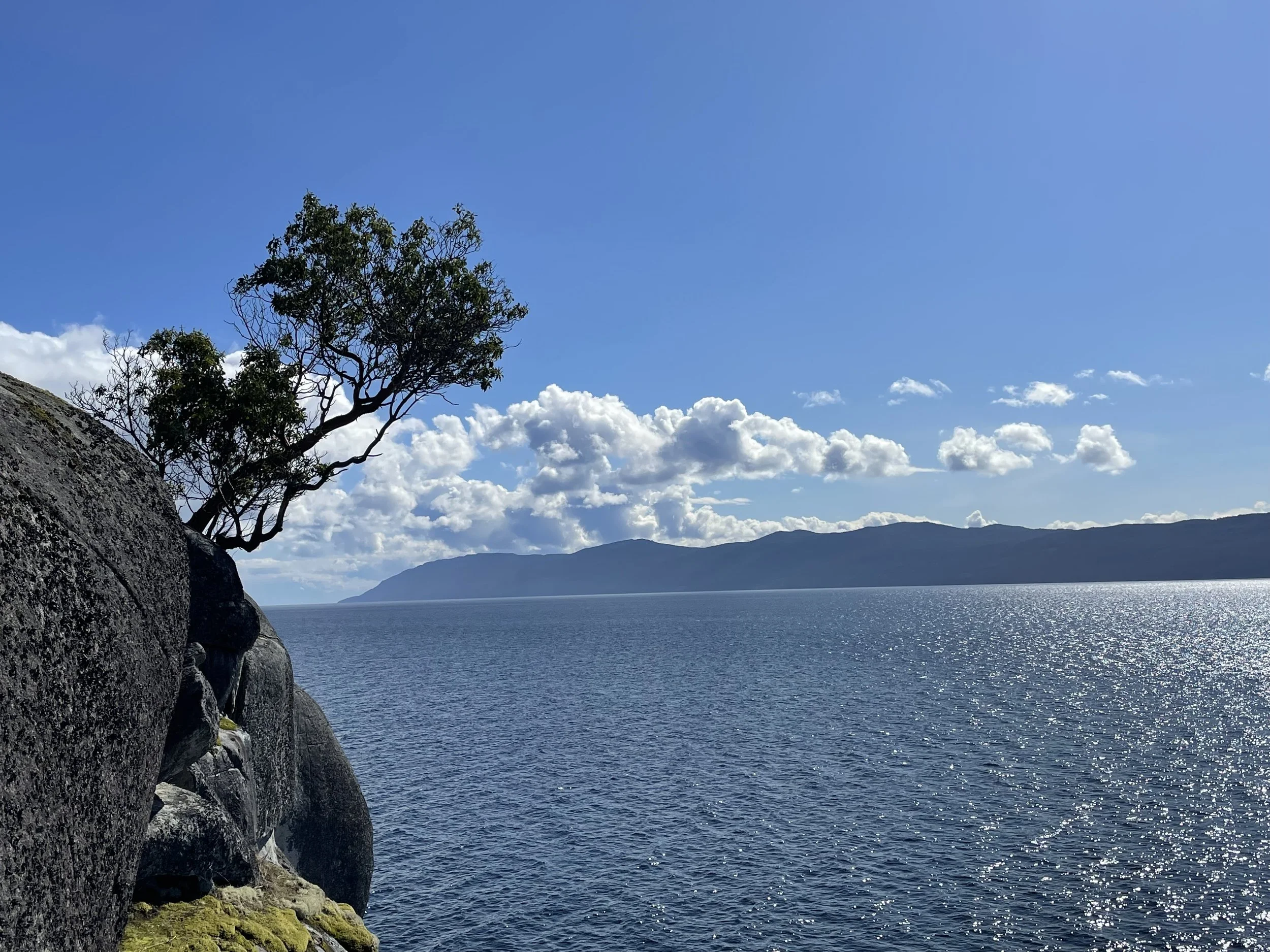
The Pacific Series begins in the long heat of summer on the British Columbia coast—in the stillness of late afternoon, in sun-warmed stone, in the smell of salt and cedar carried on dry air, and in the shifting light that turns water, driftwood, and shoreline grass into something almost luminous. It draws from the particular atmosphere of the coast when the day has slowed: the hush of open water, the distant sound of the tide, the resin of warm timber, the faint sweetness of summer growth, and the sense that everything has been shaped quietly over time by light, weather, and season.
This series was conceived not as a decorative reference to the coast, but as an attempt to build from within its character. The intention was to create instruments that feel rooted in that landscape—violins whose material choices, tonal direction, colour language, and visual restraint all belong to the same place. The coast offers both softness and force: lazy afternoons by the water, deep forest shadow, salt air, bleached driftwood, and, beyond the calm of summer, the memory of winter storms and long weather moving over land and sea. That balance of warmth, stillness, distance, and underlying power became central to the thinking behind the series.
In that sense, the Pacific Series is shaped as much by atmosphere as by object. It is informed by hot rock under the sun, by the silver-grey of weathered wood, by the red-browns of bark and root, by sea-soft gold at day’s end, and by the sound of water beyond the trees. These are not incidental influences. They form the emotional and visual ground from which the series takes its identity, guiding the work toward instruments that feel cohesive, place-bound, and deeply considered rather than merely themed.
Each violin in the series is therefore intended to carry something of the coast forward into the instrument itself: not only in appearance, but in temperament. The aim is a body of work that reflects the patience, quiet strength, and weathered beauty of the Pacific shore, limited in number, unified in philosophy, and inseparable from the landscape that inspired it.
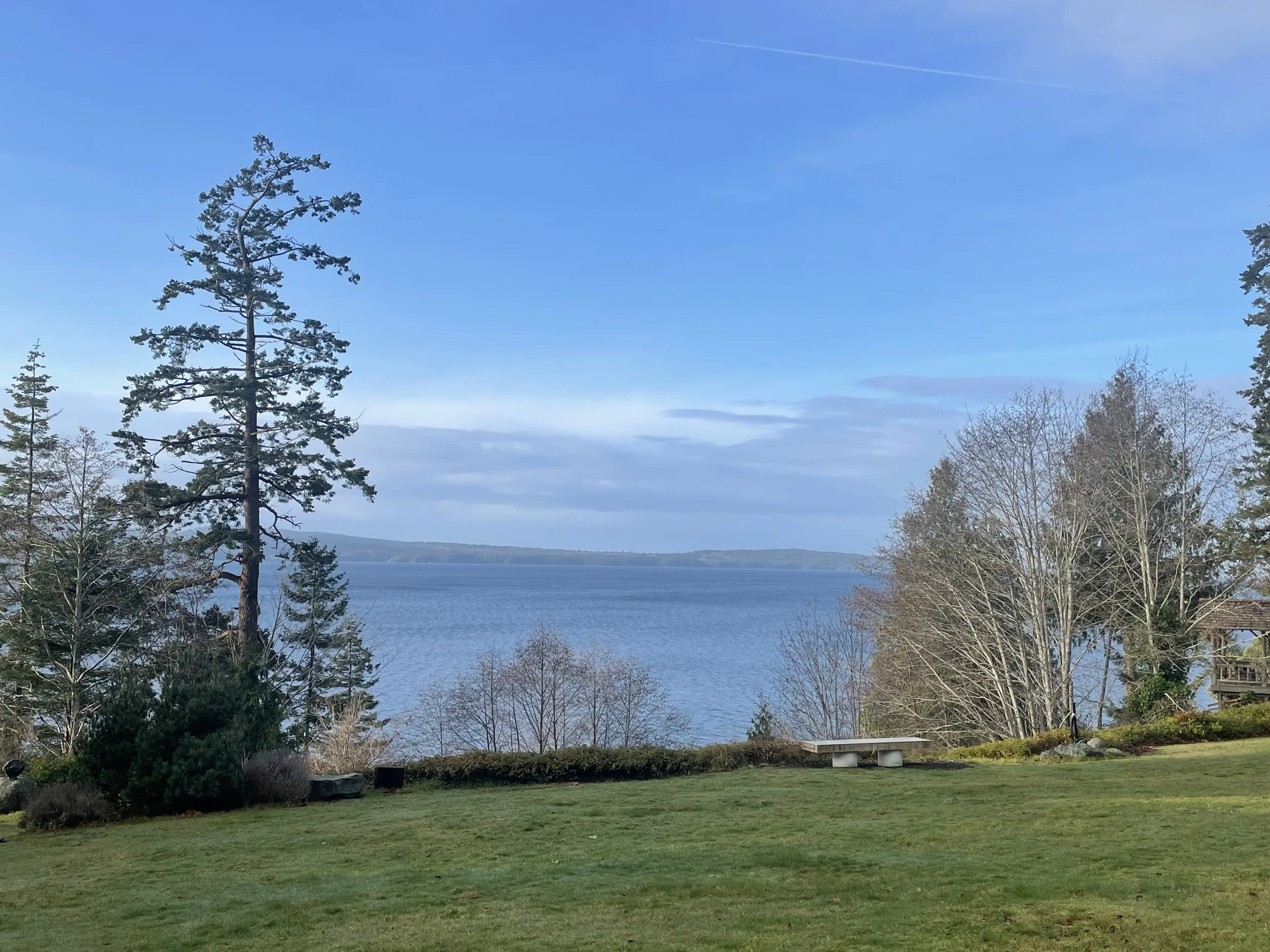
Hot Pacific afternoons. Sun-warmed stone, salt in the air, cedar and dry grass on the breeze, the slow glitter of light on open water, and the hush and rhythm of the coast moving without urgency. The Pacific Series begins here, in the warmth, stillness, scent, and sound of summer by the sea.
Form and Construction
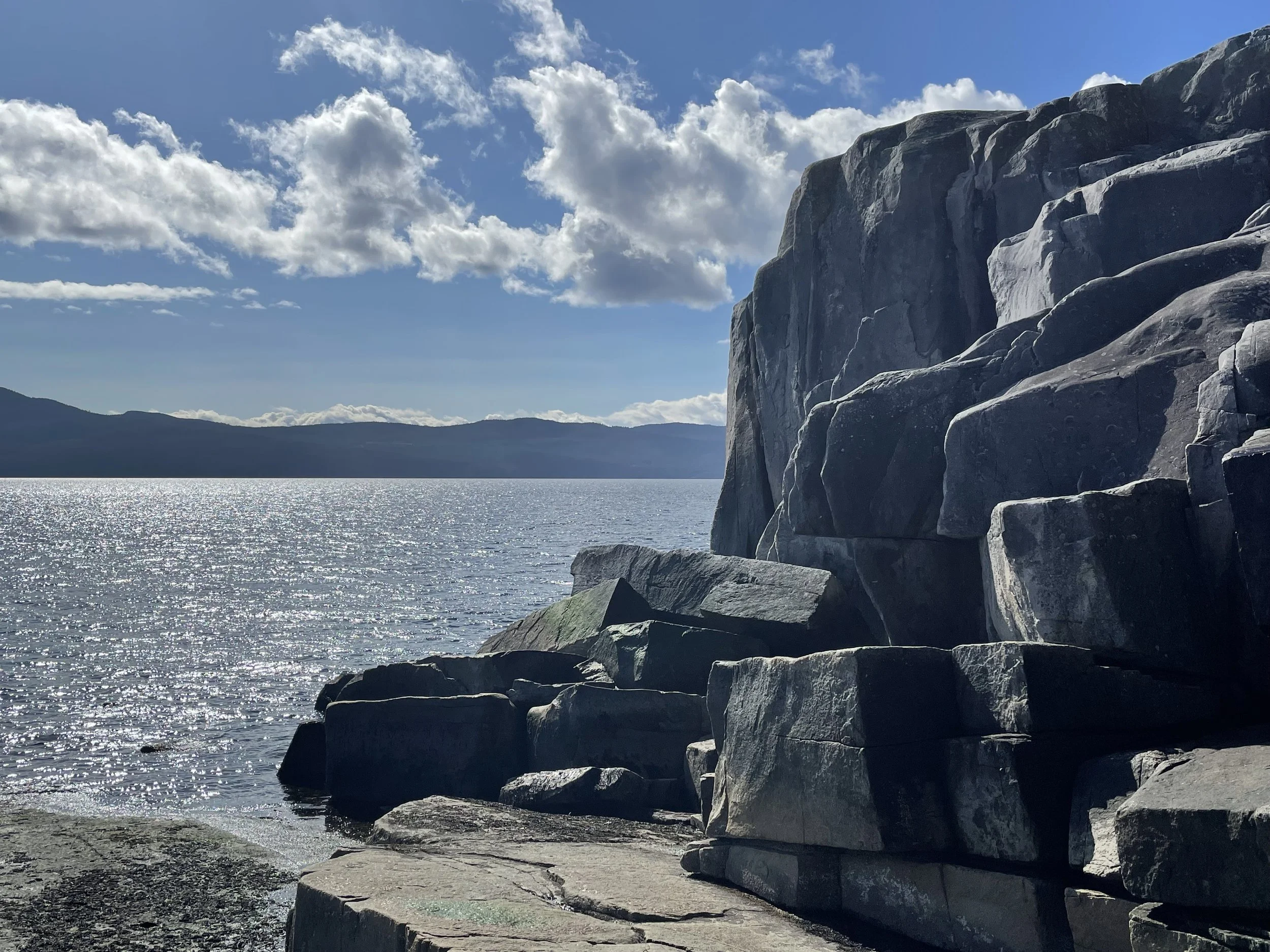
The Pacific Series takes its form from the coast itself—broad stone faces, clean rises, weathered edges, and the quiet strength of shapes worn into balance by wind, water, and time. Its construction is guided by that same sense of grounded restraint: deliberate lines, measured proportions, and a structure intended to feel at once solid, graceful, and deeply at ease in its own landscape.
The form of the Pacific Series is guided by the same qualities that define the coast itself: breadth without heaviness, strength without harshness, and a quiet sense of balance shaped by time, weather, and restraint. The coastline does not present itself in sharp or unnecessary gestures. Stone rises in clean planes, shorelines bend with a kind of natural inevitability, and even where the landscape is rugged, it carries an underlying composure. That sense of measured strength became central to the construction of this series.
Rather than treating form as a neutral framework, the Pacific Series approaches outline, arching, edgework, and proportion as part of the series identity. The intention is to create instruments whose physical presence feels grounded and deliberate, neither overly delicate nor aggressively bold, but settled, calm, and structurally assured. The broad visual language of the coast, from rock faces to worn timber to weather-softened edges, informed the pursuit of shapes that feel resolved rather than embellished.
This has implications not only for appearance, but for the character of the instrument in the hand and under the bow. Construction choices shape the way a violin holds itself, how it responds, and how its voice develops. In this series, form is used to support a tonal personality that feels spacious, warm, and composed, with an underlying reserve of strength rather than an immediate push for brilliance or force. The goal is not austerity, but clarity of intention: a violin whose build reflects the same equilibrium found in the landscape that inspired it.
The Pacific Series is therefore constructed with a view toward coherence above novelty. Every decision in form is made to support the whole, to let the instrument feel like part of one body of work, tied together by a shared structural language. Each violin remains individual, but all belong to the same conversation between coast, craft, and musical purpose.
Materials
The Pacific Series is built around material pairings chosen not only for regional character, but for acoustic purpose: air-dried yellow cedar or western red cedar for the top, and air-dried maple for the back, ribs, and neck. Together, these woods preserve the familiar structural logic of violin making while opening a different tonal palette—one shaped by warmth, responsiveness, colour, and depth.
Yellow cedar was chosen for some tops for its combination of lightness, stiffness, and clarity of response. When properly seasoned, it offers a lively, quick-speaking quality under the bow, with a warmth and suppleness that differs from the more conventionally brilliant character often associated with spruce. Its relatively low density allows the plate to respond readily, while its strength helps preserve definition and control within that openness. The result is a top well suited to a voice that favours nuance, intimacy, and tonal colour, allowing the instrument to feel immediate in response, open in texture, and rich in character.
Western red cedar brings a different but equally compelling acoustic personality. It is lighter and softer than yellow cedar, with a naturally warm, resonant, and forgiving response that can lend the instrument a fuller sense of bloom and depth at lower playing pressure. Properly handled, it can produce a tone that feels broad, mature, and richly coloured, with an easy warmth under the ear and a strong sense of body to the sound. Where yellow cedar offers quickness and clarity within warmth, western red cedar tends to emphasize softness, richness, and a more relaxed tonal expansion. In the context of the Pacific Coastal Series, it is especially suited to instruments intended to carry a sense of forest depth, coastal air, and a more enveloping, atmospheric voice.
For the back, ribs, and neck, air-dried maple provides the structural counterpoint that gives the instrument focus, support, and long-term stability. Maple remains the traditional choice for good reason: it reflects energy efficiently, helps organize and strengthen the tone, and contributes clarity, resilience, and tonal definition to the finished body. In this series, it does not merely support the cedar top visually or structurally, but acts as its acoustic partner. The maple gives resistance and shape to the response of the softer top, helping the instrument retain coherence, carrying power, and balance beneath its warmth.
Air drying is central to the character of all of these woods. Properly air-seasoned timber tends to preserve a more natural internal balance than wood forced too quickly through artificial drying, allowing the finished body to work with greater ease and complexity. In practical terms, this supports a tone that feels less rigid, less shut-in, and more naturally resonant. For this series, that matters deeply. The intention is not to chase sheer brightness or force, but to build instruments with a mature and responsive voice—one that carries warmth, softness, and depth while still holding enough structure and clarity beneath it to remain musically convincing.
These material choices therefore serve both the sound and the identity of the Pacific Series. Yellow cedar contributes openness, immediacy, and warmth with definition. Western red cedar contributes depth, softness, and a broader, more atmospheric tonal bloom. Maple contributes strength, balance, and structure. Together, they create a material foundation suited to instruments that feel grounded, expressive, and unmistakably shaped by the character of the coast
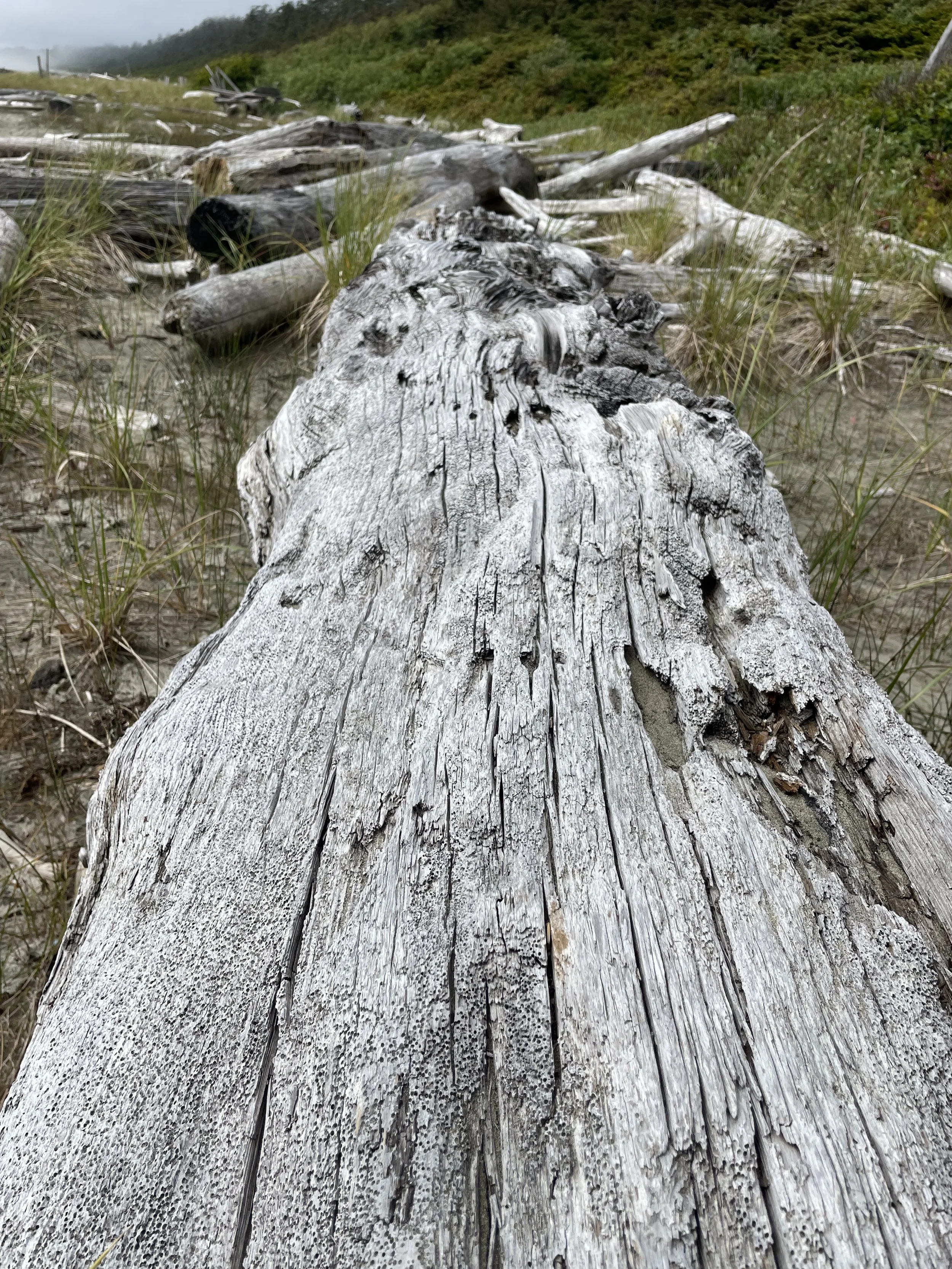
The materials of the Pacific Series are chosen in the same spirit as the coast itself—weathered, honest, and full of quiet character. Bleached driftwood, salt-softened grain, wind-dried grass, and the silvered surfaces left by sun and sea all inform the wood selection, favouring materials with warmth, texture, and a sense of place rather than anything overly polished or anonymous.
Tone
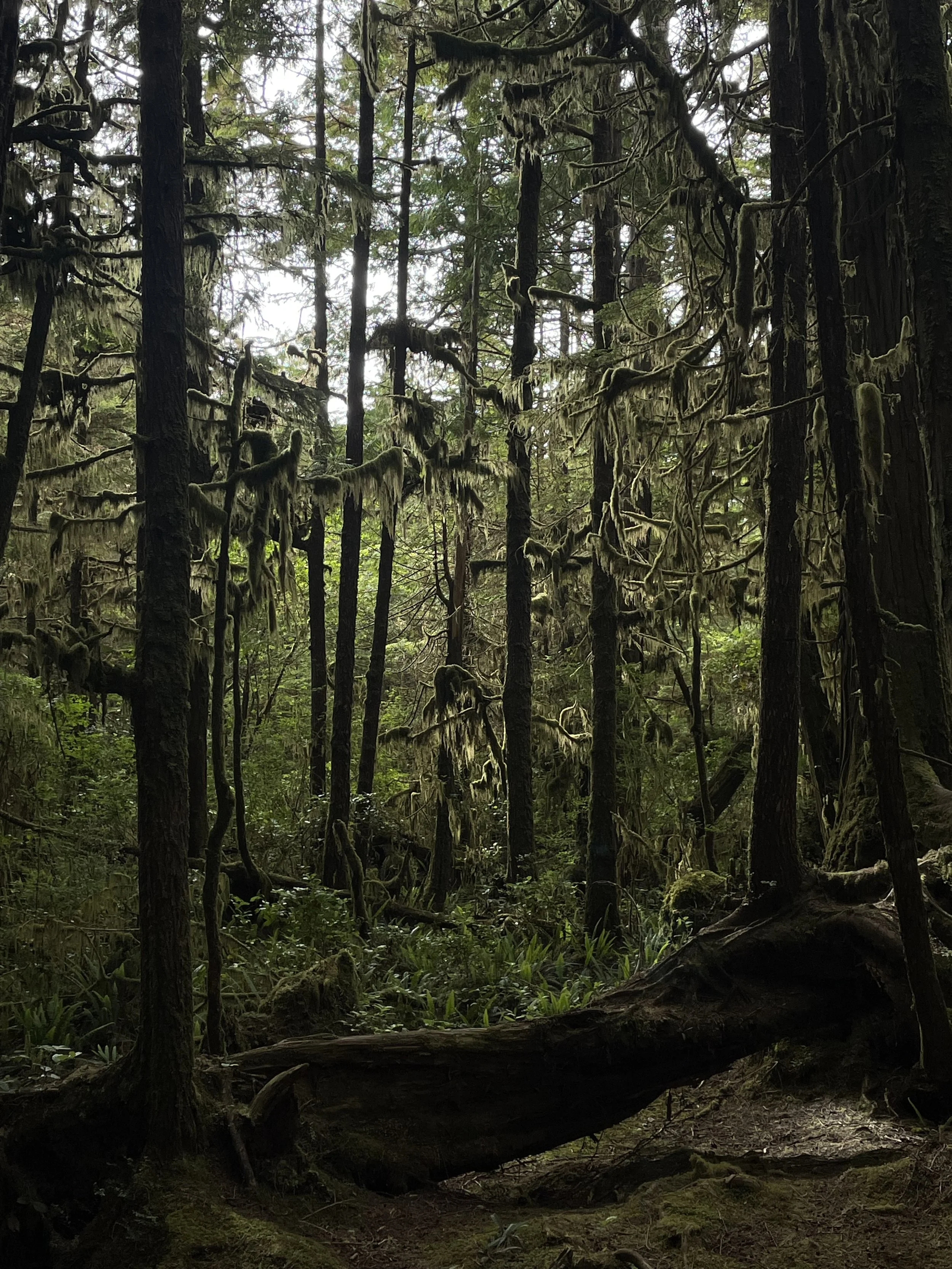
The tone of the Pacific Series is shaped by that same coastal contrast, forest softness under the ear, the distant breath of the ocean beyond the trees, and beneath it all the deeper force of winter storms moving just out of sight. The voice is intended to carry warmth, depth, and quiet complexity, with enough strength held underneath to suggest the weight, weather, and long resonance of the coast itself.
The tone of the Pacific Series is shaped by the same contrasts that define the coast itself: softness and force, stillness and weather, warmth close at hand and distance just beyond it. The intention is not to pursue a harsh brilliance or a purely aggressive projecting voice, but to build instruments with warmth, depth, colour, and quiet complexity—violins that speak easily, carry nuance, and hold a deeper reserve of strength beneath the surface.
Part of that tonal idea comes from the feeling of the coast in summer: the hush of open water, the softened air beneath the trees, the long calm of late afternoon, and the way sound seems to travel differently near the shore. But the Pacific coast is never only gentle. Beneath that calm is the memory of winter weather, the pressure of storms moving in from the ocean, the weight of wind through the forest, and the long resonance of water and timber shaped over time. That balance became central to the tonal direction of the series. The voice sought here is warm and inviting under the ear, but not fragile; intimate in colour, but not small; restrained in manner, yet capable of carrying depth and authority when asked.
In practical terms, this points toward a tonal character with a quick, natural response, a strong sense of body in the middle of the sound, and an emphasis on richness over glare. The aim is for notes to speak without resistance, to develop with a certain ease, and to retain texture and colour rather than flattening into a single hard edge. These are instruments intended to reward close listening as much as outward projection, offering a voice that feels alive with subtle variation in bow pressure, phrasing, and touch.
The cedar tops play an important part in this. Yellow cedar tends to support clarity, immediacy, and warmth with a more defined edge to the response, while western red cedar leans toward softness, bloom, and a broader tonal expansion. In both cases, the desired result is not raw softness for its own sake, but a more human and atmospheric voice—something less metallic, less insistent, and more capable of carrying shade, depth, and resonance. The maple body then gives that response structure and support, helping the sound retain focus, coherence, and enough underlying strength to remain musically persuasive.
For that reason, the Pacific Series is especially concerned with tonal colour. These are not intended as anonymous instruments with a generic “good violin” voice, but as instruments with a distinct musical temperament: warm, responsive, quietly resonant, and grounded. The ideal sound is one that can suggest the softness of the forest under the bow, the distant breath of the ocean beyond it, and, further beneath, the darker force of coastal storms held in reserve. In that sense, the tonal aim of the series is inseparable from its landscape. The instruments are meant not only to look of the coast, but to sound as though they belong to it.
Varnish and Colours
The varnish and colour of the Pacific Series are drawn from the coast not as ornament, but as atmosphere carried into the surface of the instrument. The intention is to create a finish that feels rooted in place—colours that recall shoreline timber, cedar shadow, sun-warmed bark, sea-soft gold, weathered stone, and the red-browns found in root, berry, and leaf at the edge of the water. Rather than treating varnish as a final decorative layer, this series approaches it as part of the instrument’s identity, inseparable from the materials, the landscape, and the character of the work as a whole.
The colour language of the series comes from the living palette of the coast itself. Western Red Cedar, Douglas Fir, and Arbutus inform the range and depth of the varnish, along with the broader visual influence of moss, lichen, shoreline grass, bleached driftwood, and the shifting light that settles over water and stone at the end of the day. These references are not used to imitate nature literally, but to guide the finish toward something that feels plausible to the place from which the series takes its name. The aim is a surface that belongs to the coast in the same way the materials and tonal direction do: quietly, coherently, and without excess.
In practical terms, this leads to a varnish character built around warmth, transparency, and layered depth rather than flat colour or heavy opacity. The goal is to allow the wood beneath to remain alive, so that figure, grain, and texture continue to speak through the finish. Coastal light is rarely harsh in memory; even at its brightest, it tends to carry softness, reflection, and movement. For that reason, the varnish of this series is intended to hold colour with depth but also with light in it—so that the instrument shifts subtly as it is turned, and the surface feels responsive rather than static.
This approach also allows the individual instruments within the series to remain distinct while still belonging to one family of work. One violin may lean more toward cedar warmth, another toward driftwood bronze, sea-dark brown, or the red-gold character suggested by bark and evening light, but all remain within the same coastal palette. The series is unified not by rigid sameness, but by shared visual logic. Each instrument should feel as though it comes from the same shoreline, the same weather, and the same long conversation between timber, air, and light.
The varnish of the Pacific Series is therefore intended to do more than protect the instrument or embellish its surface. It is meant to complete the translation of place into object. Through colour, transparency, and finish, it carries forward the coast’s warmth, restraint, weathering, and living complexity, so that the final instrument feels not merely inspired by the landscape, but marked by it.
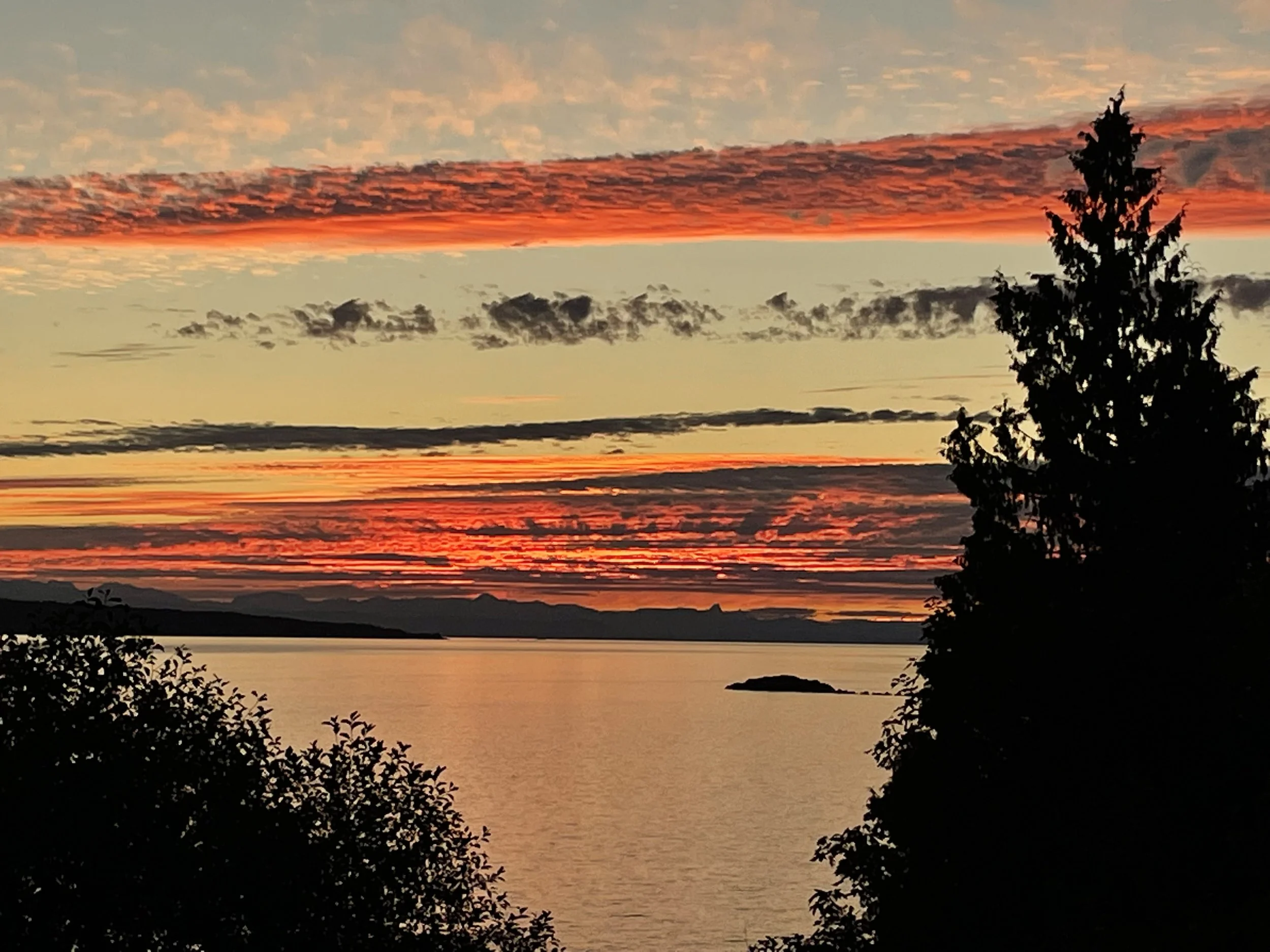
The varnish and colour of the Pacific Series draw from the coast at day’s end, fire along the horizon, cedar-dark silhouettes, sea-soft gold, weathered grey, and the deep red-browns found in bark, root, berry, and leaf. It is inspired by the full living palette of the coast itself: arbutus, fir, cedar, moss, lichen, shoreline grass, and the last warm light settling over water, stone, and timber.
Documentation and Provenance
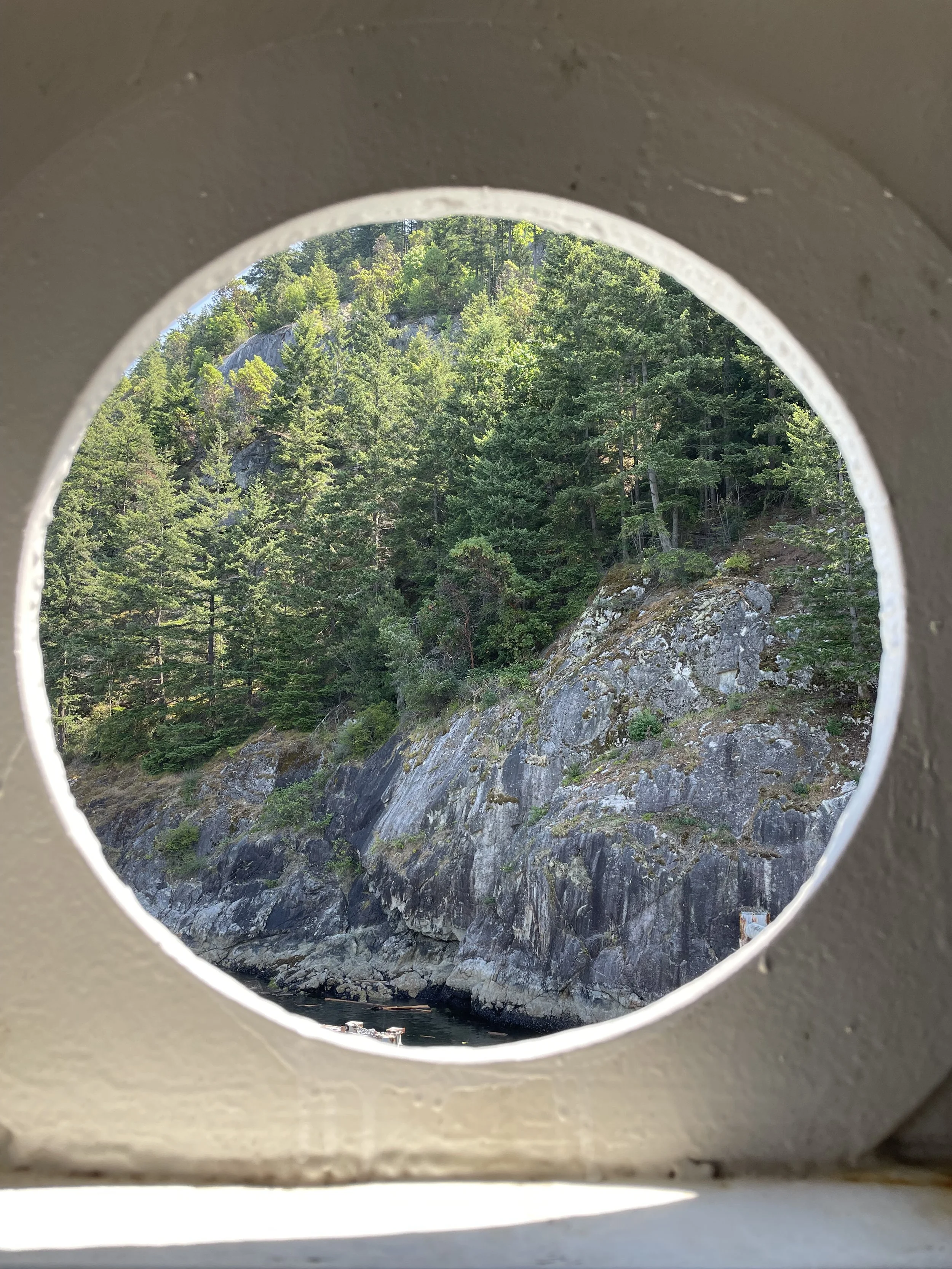
The Pacific Series is documented with the same clarity as the view itself, meant to leave no uncertainty about what is being seen, what is being built, and what is being purchased. Each instrument is accompanied by records of its materials, series identity, and provenance so that the buyer receives not only the violin itself, but a clear and lasting account of exactly what it is, where it belongs within the series, and the work that went into its making.
The Pacific Series is documented with the same care and clarity as the instruments themselves. In a limited body of work such as this, documentation is not an afterthought or a formality, but part of the value of the series. It exists to ensure that the buyer receives a clear and lasting record of what the instrument is, how it was made, what materials were used, and where it belongs within the series. In practical terms, this means that what is described, what is sold, and what is ultimately owned remain aligned.
Each violin in the series is accompanied by documentation identifying it as part of the Pacific Series and recording the principal materials used in its construction. Where applicable, this record may also note the source, age, or history of those materials, along with the broader design philosophy and varnish language that place the instrument within this specific body of work. The aim is not merely to list components, but to preserve the identity of the instrument as a complete and intentional object—one made within a defined series, under a particular concept, and with materials chosen for both acoustic and regional significance.
This matters because provenance is part of confidence. For the first owner, it provides assurance that the instrument received is the instrument described. For future owners, it preserves continuity of identity over time. In a world where stories are easily simplified, lost, or altered in resale, careful documentation helps maintain the integrity of the work and protects against uncertainty about what the instrument is claimed to be. It allows the series to remain legible beyond the moment of sale, carrying forward the record of its materials, intent, and place within the workshop.
For the Pacific Series in particular, provenance also matters because these violins are not conceived as isolated commissions, but as part of a limited and coherent body of work. Their value lies not only in craftsmanship and sound, but in belonging to a defined series shaped by a specific landscape, palette, and material philosophy. The documentation therefore serves to preserve that connection. It makes clear that each violin is not simply a violin with coastal references, but an identified instrument within a named and limited series.
In that sense, documentation and provenance are part of the promise of the series. They ensure that the buyer receives not only the instrument itself, but a record equal to the seriousness of the work, clear enough to support confidence, detailed enough to preserve identity, and durable enough to accompany the violin throughout its life.
Authentication
Each instrument in the Pacific Series carries a layered system of identification intended to preserve authenticity, protect provenance, and reduce the possibility of confusion or misrepresentation over time. In addition to the visible maker’s label, every violin is assigned a unique Jubb and Son serial number together with its own unique series ID, identifying it both as an original bench-made Jubb and Son instrument and as a specific work within the Pacific Series.
The visible maker’s label records these identifying details in their readable form, providing the primary point of reference for the owner. Beyond that label, the same serial number and series ID are carried discreetly within the instrument itself in multiple locations: embedded into the neck block, embedded into the tail block, marked beneath the fingerboard on the neck, and placed in the side of the pegbox on the neck. Of these, only the details shown on the maker’s label are intended for ordinary viewing; the additional marks exist as confirming identifiers within the instrument rather than as visible decoration.
This layered approach is intended to provide more than a single point of authentication. If a label is ever damaged, altered, or called into question, the instrument still carries corresponding identifying information in protected locations tied directly to its construction. That continuity helps preserve the integrity of the work and offers a clearer standard of verification than a visible label alone.
For a limited series such as the Pacific Coastal Series, this matters especially. These instruments are not only individual violins, but part of a defined and documented body of work. The authentication system exists to ensure that what is claimed, what is recorded, and what is ultimately owned remain one and the same, preserving the identity of each instrument within the series across time, ownership, and circumstance.
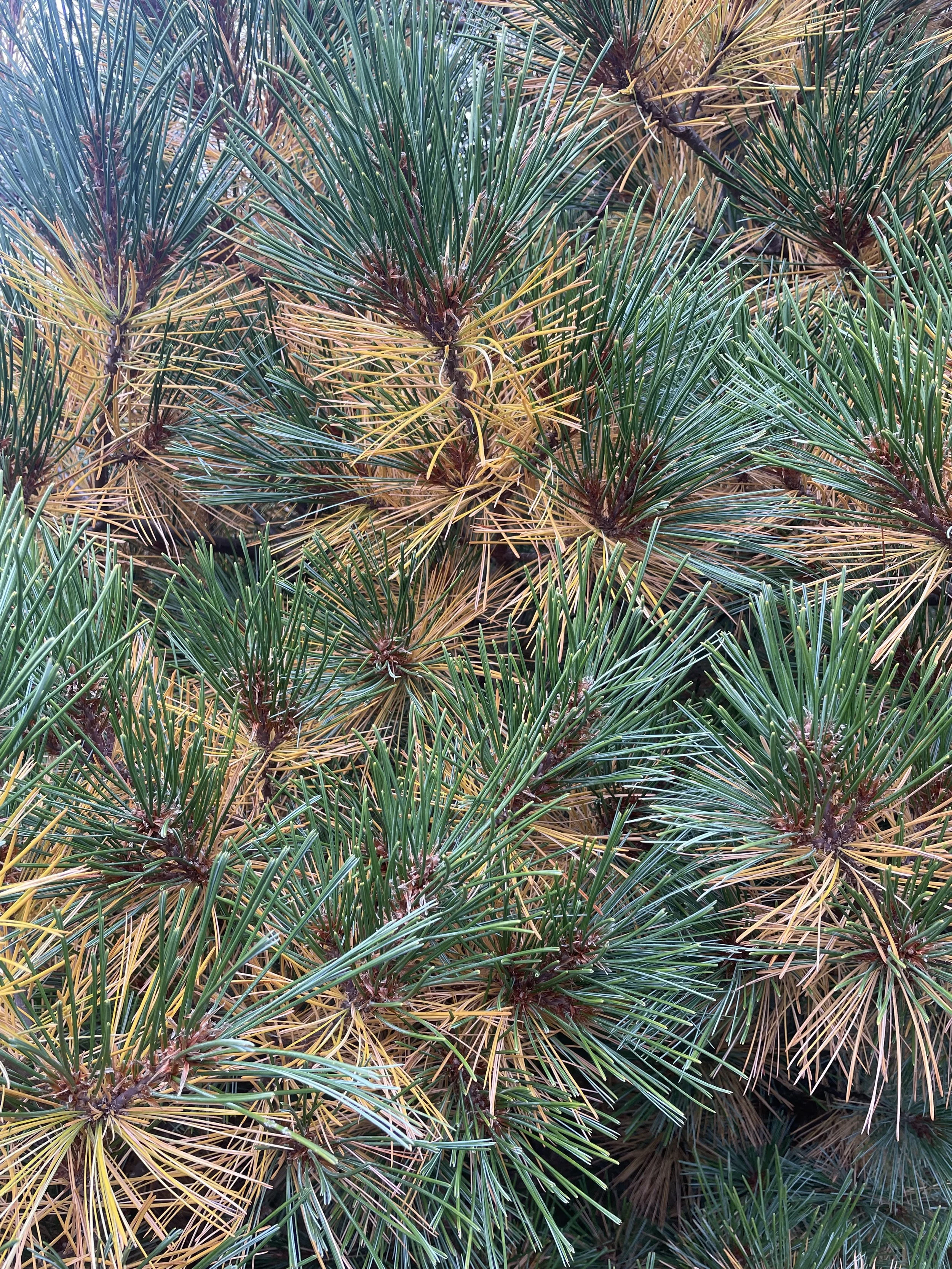
The Pacific Series carries its authentication in layered detail, much like the coast itself, what is most important is not always obvious at first glance. In addition to the visible label, each instrument bears discreet identifying marks intended to confirm its place within the series and protect against imitation, misrepresentation, or confusion over time, so that what is claimed, what is offered, and what is owned remain one and the same.
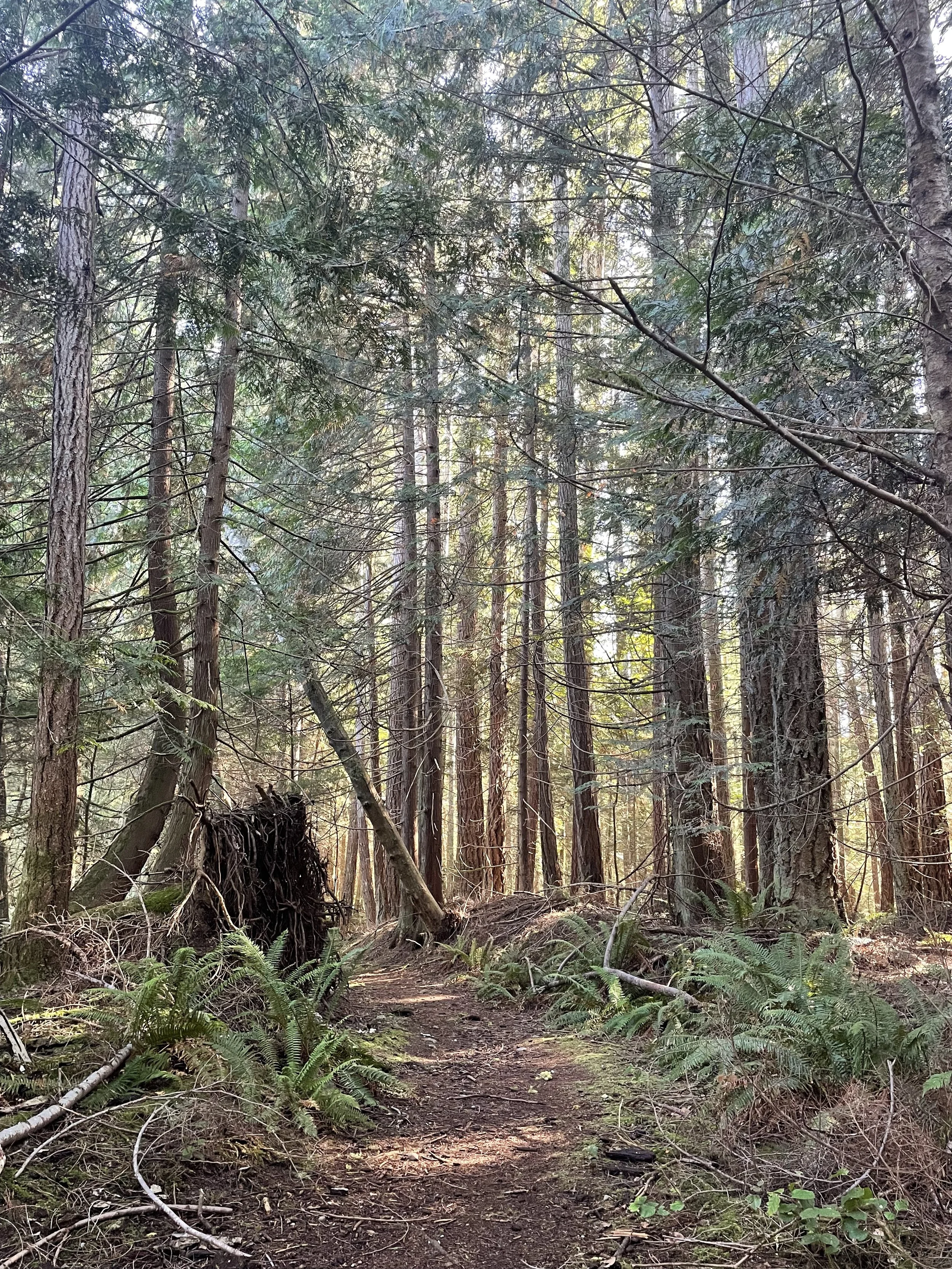
Violins of the Series
The violins of the Pacific Series follow the same path as the coast itself, each one distinct in grain, colour, and voice, yet all belonging to the same landscape. Together they form a small body of work tied by shared materials, form, and atmosphere, with each instrument offering its own expression of the coast’s light, depth, quiet strength, and weathered beauty.
The violins of the Pacific Series will be revealed individually as they are completed and brought to playing readiness. While the full series has already been conceived as a unified body of work, each instrument will be introduced on its own terms, with its materials, tonal character, construction details, and finished photographs shared as it becomes ready to be offered.
Rather than presenting the series all at once before the instruments themselves are fully resolved, each violin will be allowed to emerge in its proper time. As work progresses, further details will be released here, including the identity of each instrument within the series, its visual character, its tonal direction, and its availability status. This approach is intended to give each violin the attention it deserves while preserving the coherence of the series as a whole.
Those following the Pacific Series will therefore see the collection take shape gradually, with individual instruments added here as they are completed. In this way, the page serves not only as an introduction to the series, but as the place where each violin will be revealed as it becomes ready to stand on its own.
Availability
The Pacific Series is limited to five instruments only, and availability will unfold as each violin reaches completion. These instruments are not being released as abstract placeholders, but as finished works brought forward when their construction, varnish, setup, and playing readiness have been properly resolved. As a result, availability within the series will remain measured and selective, with each violin offered in its own time rather than all at once.
Those who join the waitlist will be given the first opportunity to purchase before any remaining instruments are offered more broadly. The waitlist is intended to provide advance notice and early access to the series as individual violins are released. Placement on the waitlist alone, however, does not reserve or secure a specific instrument. Priority will be given to buyers who proceed with a deposit, and an instrument secured by deposit will take precedence over waitlist position alone.
As each violin becomes ready, its details, images, and status will be added here. In that way, the Pacific Series will emerge gradually, with availability reflecting the pace of the work itself. This ensures that each instrument is presented clearly, offered honestly, and released with the same patience and restraint that shaped the series from the beginning.
Availability within the Pacific Series will remain as measured and limited as the landscape that inspired it. Only a small number of instruments will be made, and each will be released with the same sense of patience, clarity, and restraint, offered first to those who have joined the waitlist, then more broadly only if any remain unreserved.