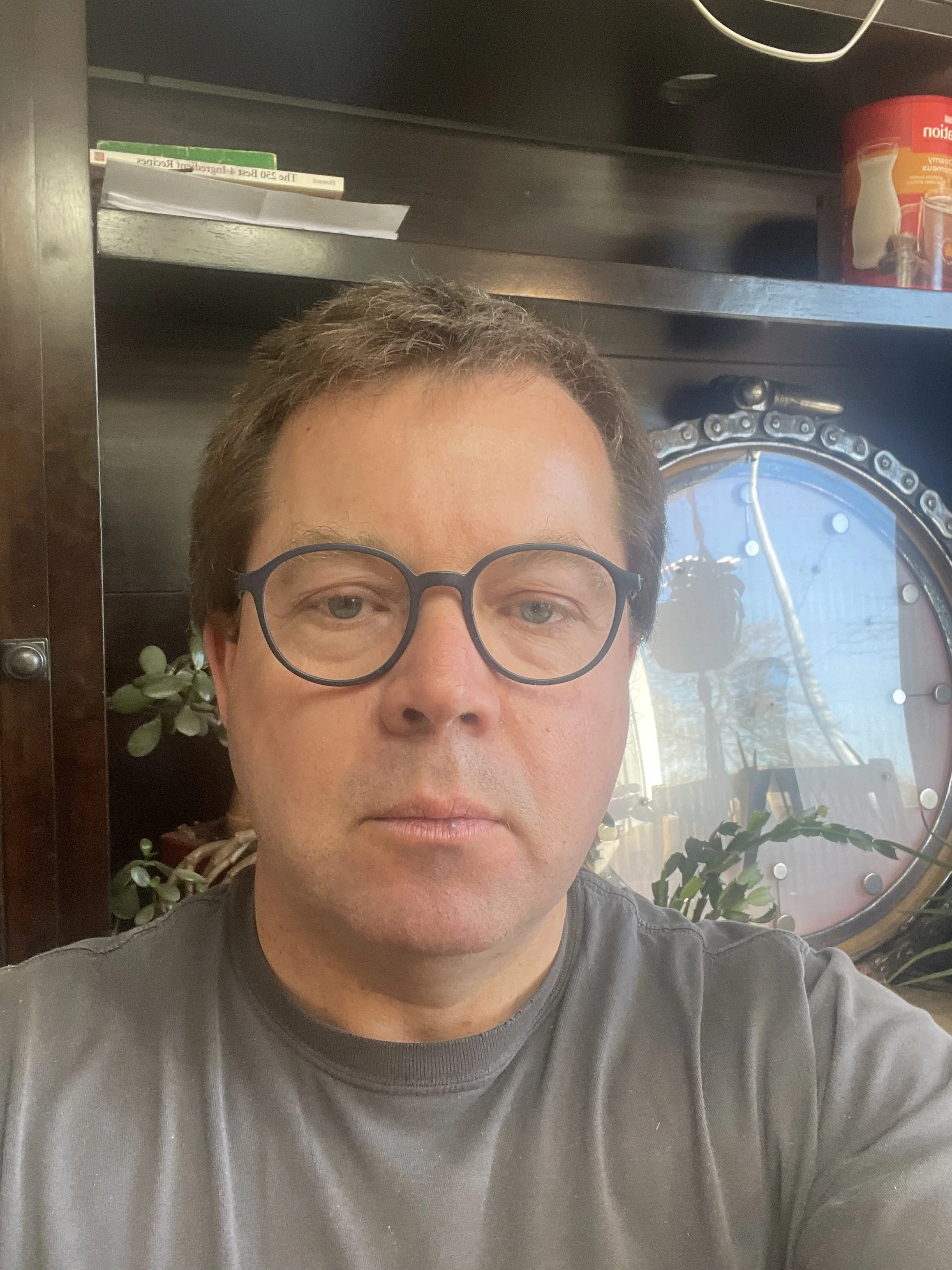
The maker behind Jubb and Son
Trained in the Cremonese tradition and grounded in a lifetime of serious woodworking, Beckett Jubb builds violins with equal attention to tonal character, structural integrity, and long ownership.
Cremonese Training
I studied violin making from Lucas Fabro of Fabro Violins of Cremona, Italy, within the historical tradition that shaped the great Cremonese masters. His training emphasized traditional hand-tool methods, disciplined plate graduation, arching geometry, varnish systems, and structural longevity, the fundamentals that determine not only tone, but the lifetime stability of an instrument.
What That Means in the Instrument
Each Jubb and Son violin reflects that lineage:
Precisely executed joinery at exacting tolerances
Clean and disciplined internal architecture
Controlled arching and graduation shaped for both tone and integrity
Long-term structural reliability built into the work from the onset
Traditional hand-applied varnish systems with visual depth and subtlety
Meticulous attention to detail in every visible and hidden element
Woodworking and Structural Discipline
Before turning exclusively to violin making five years ago, I spent over five years teaching woodworking at a college, and before that operated a fine furniture company specializing in heirloom-grade work. That background instilled a deep understanding of wood movement, joinery under stress, seasonal stability, and long-term structural integrity, disciplines directly transferable to violin construction. Where many makers approach violin building primarily as lutherie, my approach adds structural woodworking executed to the highest tolerances.
A Family Lineage of Craft
Craftsmanship runs in my family. My father was among the first journeyman carpenters in the Yukon, working in demanding northern conditions where precision and durability were not optional. My grandfather was both a journeyman carpenter and a master shipwright, trades defined by accuracy, patience, and structural permanence. From them comes an ingrained respect for materials, tools, and uncompromising build quality.
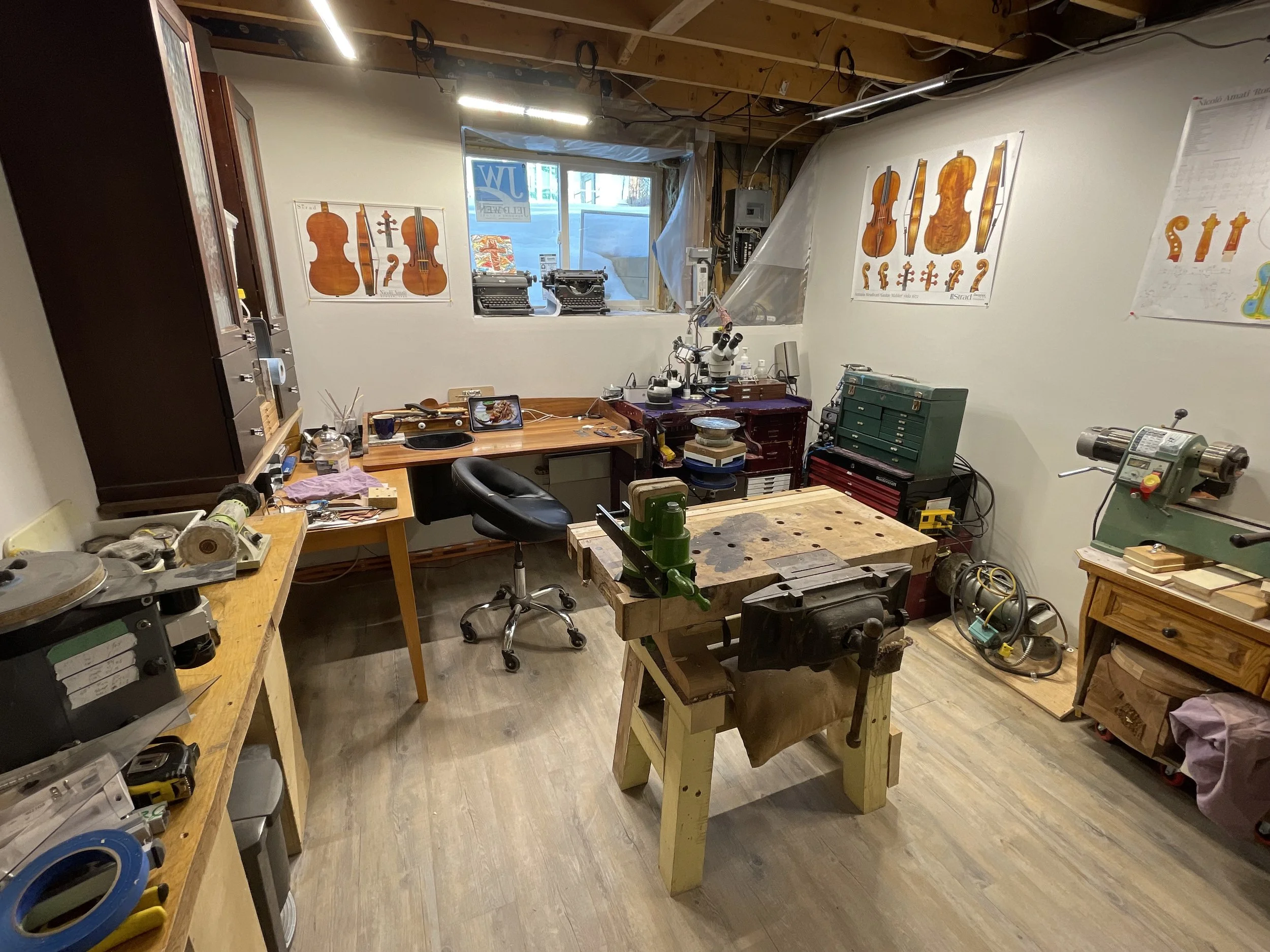
A Jubb and Son violin is the convergence of Cremonese training and northern craftsmanship. Bench made in Alberta, Canada, each instrument is built with the technical discipline of a master woodworker and the tonal sensitivity of a dedicated violin maker.
View Current Work Discuss a Commission Ask about Material Options